
Why American Golfers Should Include Brynhill Golf Club in Their Wales Golf Trip
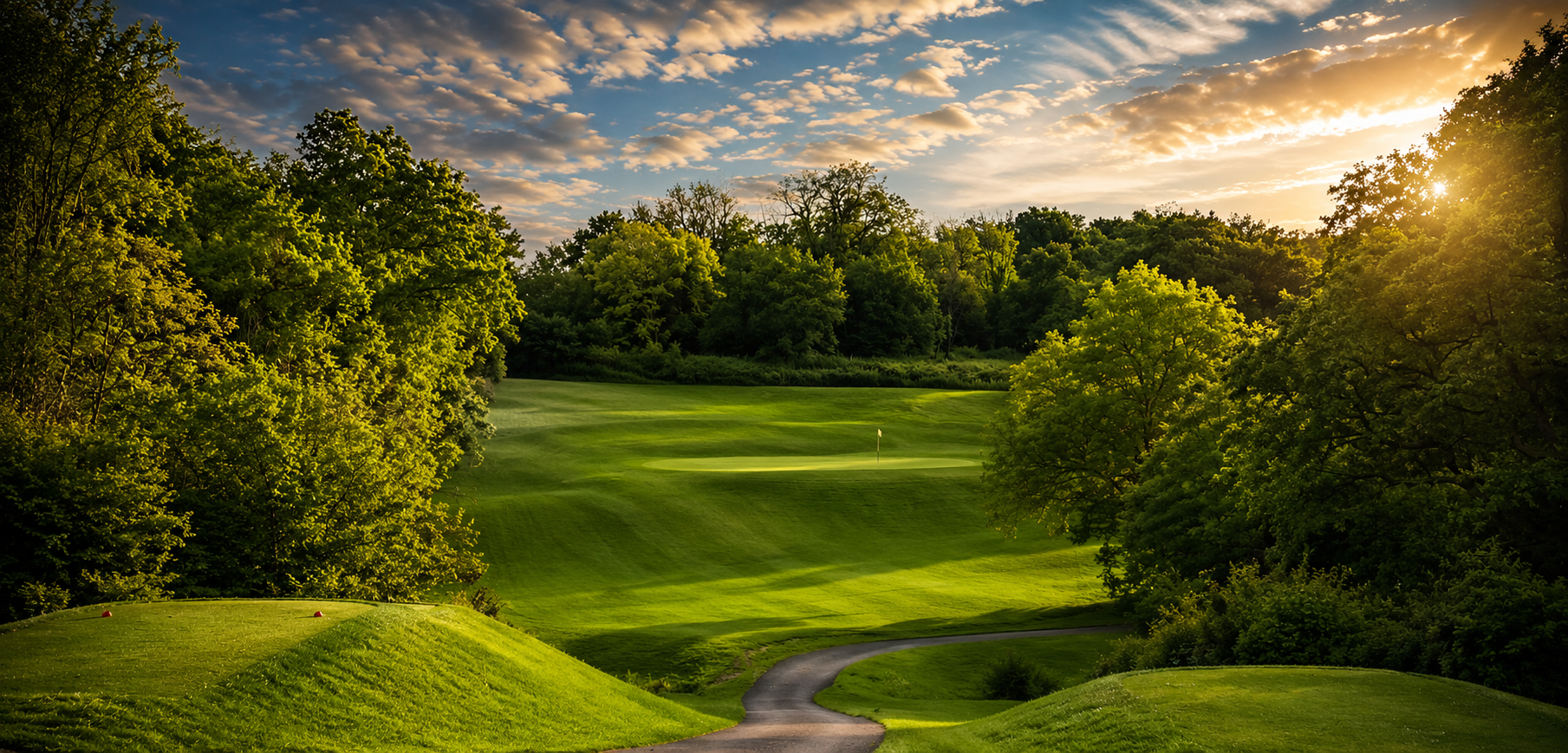
The stunning Par 3 ninth hole at Brynhill Golf Club
When golfers from the United States plan a golf vacation in Wales, the itinerary will often focus on the country’s famous coastal links courses.
Wales undoubtedly offers some of the finest links golf in the world. However, visitors who play only beside the coast experience just one part of the country’s rich golfing landscape.
For American golfers seeking a more varied and memorable Wales golf itinerary, Brynhill Golf Club offers something refreshingly different: a challenging traditional parkland course, genuine Welsh hospitality and a remarkable history stretching from the medieval period to the Second World War.
Situated in the Vale of Glamorgan, close to Cardiff and only around 10 minutes from Cardiff Airport, Brynhill is ideally located for golfers beginning or completing a golf tour of South Wales.
Experience a Different Side of Golf in Wales
Many international visitors arrive in Wales determined to experience traditional links golf. They want the coastal wind, undulating fairways, deep bunkers and firm playing surfaces that make seaside golf so distinctive.
Brynhill complements that experience by offering a completely different type of challenge.
This is traditional Welsh parkland golf, with mature trees, strategically positioned hazards, changing elevations and greens that demand accurate approach play.
Rather than relying solely on distance, golfers must think their way around the course. Tee shots need to be positioned carefully, approaches must be controlled and good course management is rewarded throughout the round.
Brynhill gives American golfers the opportunity to compare two very different styles of Welsh golf during the same trip.
After experiencing the exposed nature and unpredictable bounces of the links, golfers can enjoy Brynhill’s tree-lined fairways, attractive inland scenery and more strategic parkland challenge.
A Parkland Golf Course That Will Challenge Every Golfer
Brynhill is an approximately 6,500-yard parkland course featuring four par fives and a varied collection of memorable holes.
The challenge is not simply found in the course’s overall length. It comes from the position of the hazards, the angles into the greens and the decisions golfers must make from the tee.
Throughout the course, players will encounter:
Mature trees framing and narrowing the preferred lines from the tee
Water hazards that influence both tee shots and approaches
Elevated and undulating greens
Strategically placed bunkers
Risk-and-reward opportunities
Holes that can change considerably depending on the wind
A demanding closing stretch where concentration remains essential
Brynhill can be enjoyed by golfers of different abilities, but it should never be underestimated. Lower-handicap players will appreciate the strategic challenge, while higher-handicap visitors can enjoy a fair and visually impressive parkland experience.
It is the type of course where every club in the bag can be required and where good decisions are often just as important as good ball striking.
Walk Through Centuries of Welsh History
Brynhill offers far more than an enjoyable round of golf. The land on which the course stands has a fascinating history, with one of its most important features found between the 13th green and the 14th tee.
Here, golfers pass the remains of Uchelolau Church, commonly known at Brynhill as the Old Church.
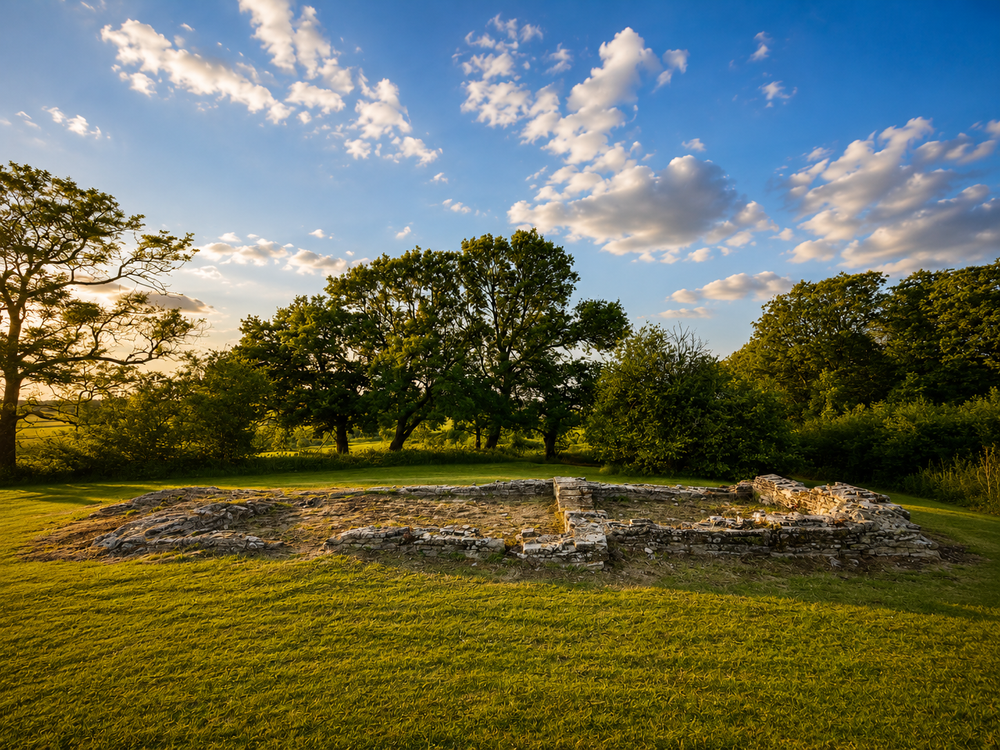
Brynhill Golf Club's medieval Uchelolau Church overlooking the parkland golf course in South Wales.
The ruins were excavated by the Barry and Vale Archaeological Group in 1964 and the church site is now a protected monument located within the boundaries of the golf club.
The medieval church once formed part of a small settlement that also included a priest’s house, a medieval corn-drying kiln and the site of a 12th-century manor house. The village was eventually abandoned during the Middle Ages, with famine and the Black Death contributing to its disappearance.
Today, golfers can stop and view the remains while walking from the 13th green to the 14th tee.
Very few golf courses can claim to have the protected ruins of a medieval church within their grounds. It gives visitors an opportunity to pause during their round and appreciate that they are playing across land with a story extending back hundreds of years.
For golfers travelling from the United States, the Old Church provides a particularly memorable connection to the depth of Welsh and British history. A round at Brynhill is not simply about playing 18 holes; it is also a journey through a historic landscape.
Brynhill’s Connection with the United States During the Second World War
The history surrounding Brynhill also includes an important connection with the United States during the Second World War.
American servicemen were based in and moved through this part of South Wales as the Allied forces prepared for operations in Europe. The area became part of the wider story of cooperation between Britain and the United States during one of the most important periods in modern history.
During the Second World War Brynhill Golf Club was heavily impacted by the conflict, with its facilities commandeered for military use.
Key details regarding the club during the war include: US Army Occupancy: Starting in 1942, the golf course was used for a large tented military camp known as the Highlight Farm camp.
Units Stationed Here:
Units of the US Army, including the 115th Field Artillery Battalion of the 1st Army
and the 15th Field Artillery Battalion of the 2nd Infantry Division (along with the 9th Infantry Regiment).
The Tennessee Cup:
In gratitude for the hospitality shown to him and his men, a Major Coolican from Tennessee, who was stationed at the camp, presented the club with the
"Tennessee Cup". The Tennessee Cup Trophy is still contested by the club to this day.
During World War II, Barry played a vital strategic role due to its deep-water docks, which served as a crucial hub for the import of essential supplies and the shipment of coal and military cargo. To protect the port from Luftwaffe bombers, the town deployed specialized fog-making machines at night to shroud the harbor in a protective blanket of smoke.Despite these defenses and the town's primary status as a non-industrialized resort, the port and railway infrastructure were targeted on occasion, leaving civilians to navigate blackouts, rationing, and mandatory air-raid precautions. The war brought a brief period of intense economic relief and prosperity to the docks, which had previously suffered during the Great Depression.
Today, visitors can explore the town's rich military heritage by visiting the Barry War Museum located at the Barry Island railway station, which features a genuine WWII Anderson shelter and a replica 1940s kitchen
For visiting American golfers, this connection adds another layer of meaning to a round at Brynhill.
The course represents a landscape where Welsh history, American wartime history and the traditions of golf come together.
It provides an opportunity to reflect on the generations who passed through the area while enjoying a modern golf course that remains deeply connected to its surroundings.
Captain Jim Parks, Headquarters Battery Commander, 115th Field
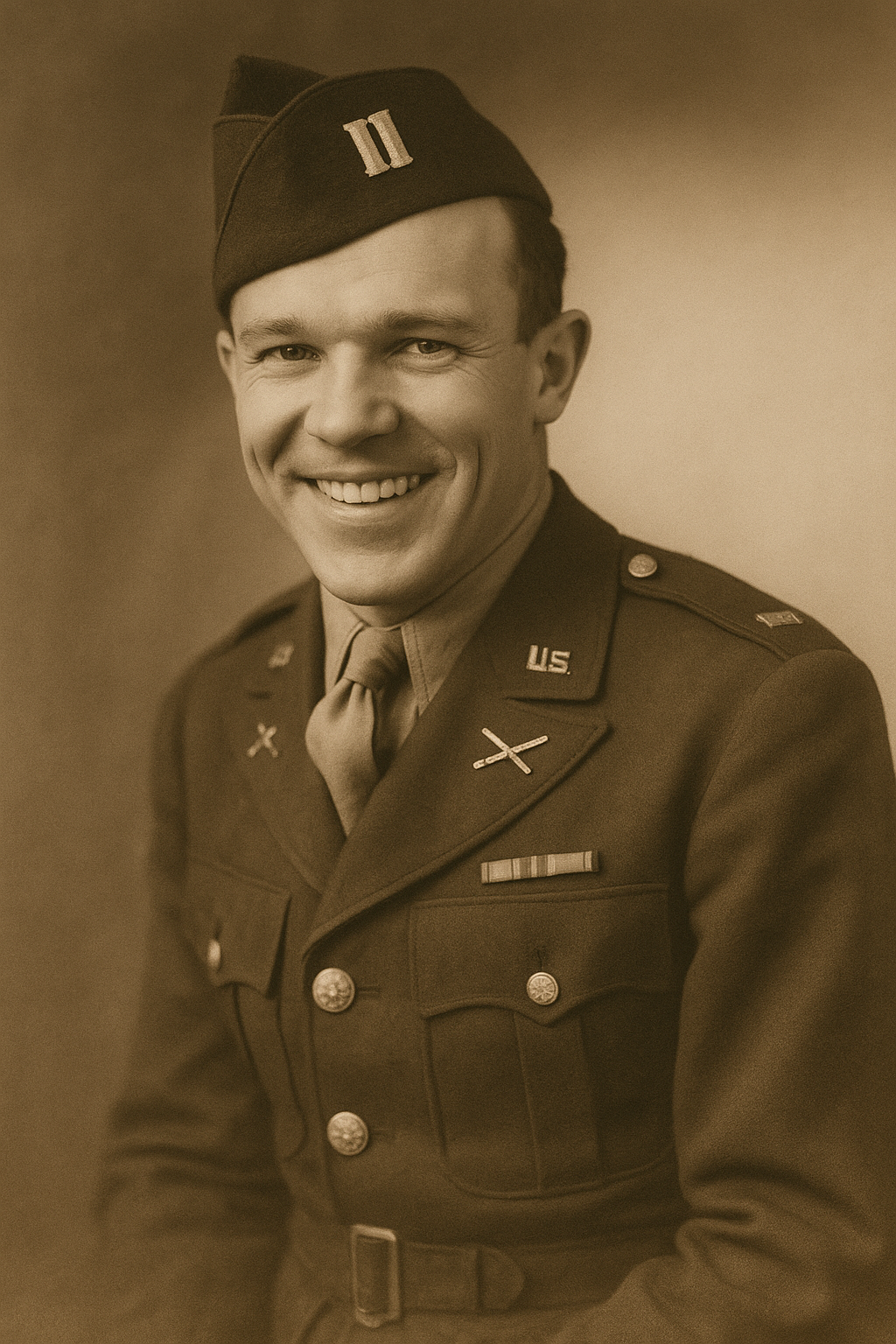
Captain Jim Parks
Artillery Battalion, US Army, based at Brynhill Golf Course, Barry from October 1943 to April 1944. The Jim Parks trophy is still contested at Brynhill to this day.
Brynhill Clubhouse opened on October 15th 1984 by Bob Hope
Bob Hope was a British-American comedian, actor, producer, singer and dancer. With a career that spanned nearly 80 years Hope appeared in more than 70 films. Hope also hosted the Academy Awards show 19 times, more than any other host. Hope appeared in many stage productions and television roles and wrote 14 books. The song "Thanks for the Memory" was his signature tune.
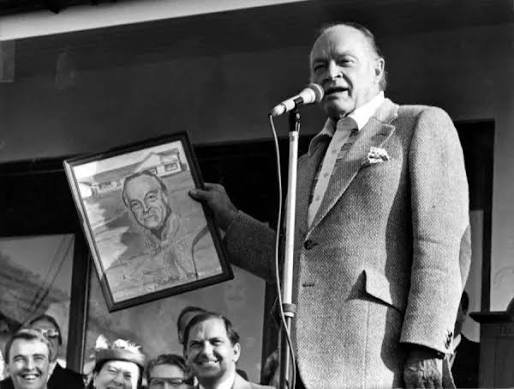
Bob Hope, opening the Brynhill clubhouse.
The Ideal Addition to a South Wales Golf Itinerary
Brynhill does not need to replace the famous links courses on a Wales golf vacation. It complements them.
A well-planned South Wales golf trip should provide variety. Playing several links courses can be an unforgettable experience, but adding a high-quality parkland course creates a more complete golfing itinerary.
Brynhill offers visiting golfers:
A contrasting style of golf
A strategic parkland challenge
Historic features within the course
A connection with American wartime history
Convenient access from Cardiff Airport
Excellent clubhouse facilities
Freshly prepared food
Warm and genuine Welsh hospitality
Its location also makes Brynhill particularly convenient for international visitors.
The club is around 10 minutes from Cardiff Airport and within easy reach of Cardiff city centre, the Vale of Glamorgan coastline and many of South Wales’ best-known golf courses.
Brynhill can therefore be included as the opening round of a Welsh golf vacation, a relaxing parkland round between coastal courses or a memorable final stop before travelling home.
More Than Just 18 Holes
A great golf trip is shaped by more than the course alone.
The welcome, the clubhouse, the food and the atmosphere all contribute to the experience. At Brynhill, visitors are welcomed into a friendly and active golf club where hospitality remains central to the day.
After the round, golfers can relax in the clubhouse and enjoy freshly prepared food, a drink from the bar and views across the course.
For American golf groups, this provides an opportunity to experience the social side of a traditional Welsh golf club rather than simply arriving, playing and leaving.
Brynhill is proud to offer the complete visitor experience:
A welcoming arrival
Practice and warm-up facilities
An enjoyable but challenging round
Comfortable clubhouse surroundings
Quality food and refreshments
Friendly service from people who understand golf
It is this combination of golf, history and hospitality that can make Brynhill one of the unexpected highlights of a trip to Wales.
Authentic Welsh Golf and Hospitality
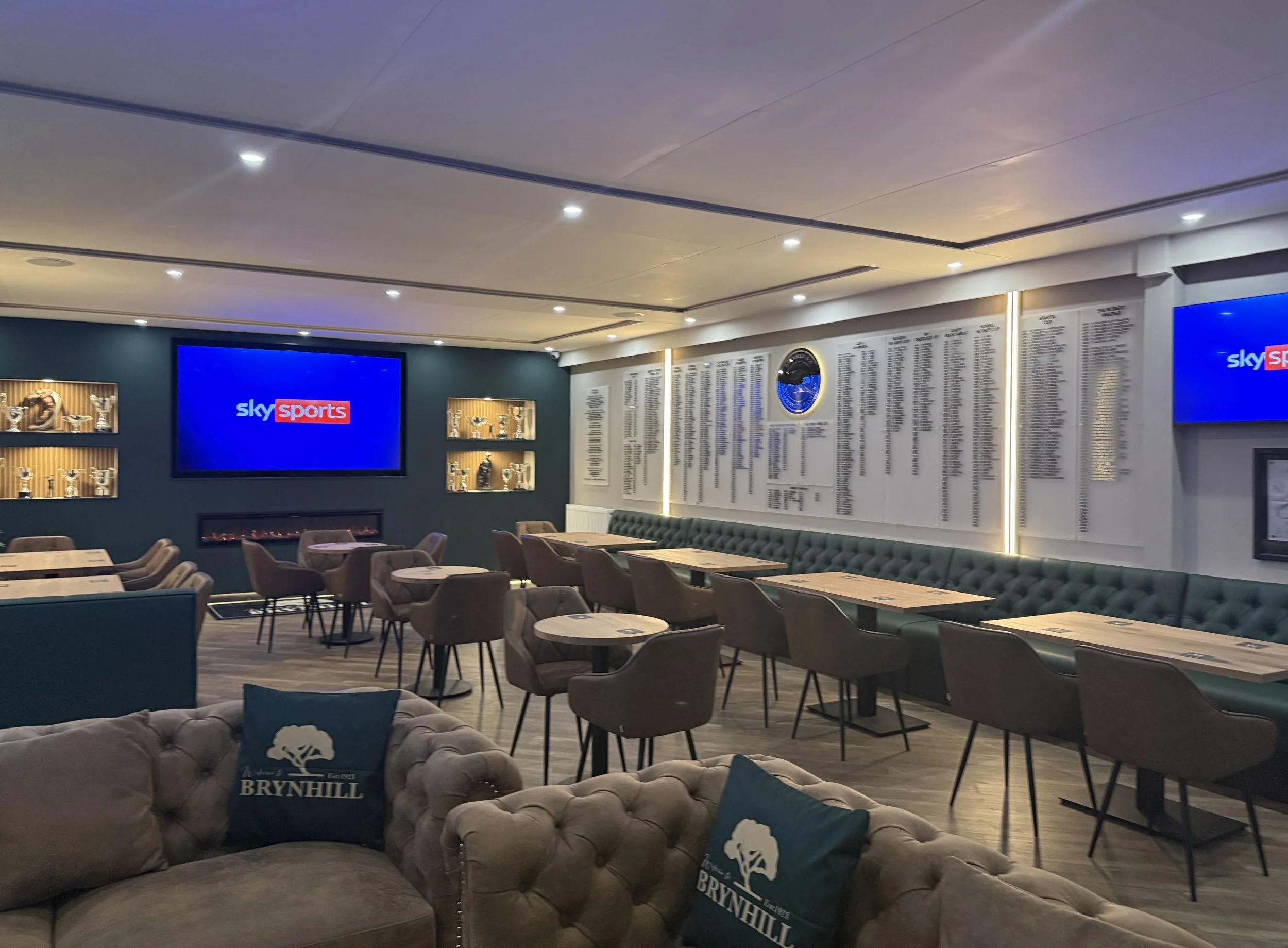
The modern and welcoming Brynhill Sports Lounge
American golfers are often drawn to Wales by its scenery, history and reputation for a warm welcome.
Brynhill brings all three together.
The course offers a genuine parkland golf experience rather than a resort-style visit. Golfers can meet members, enjoy the atmosphere of the clubhouse and experience the friendly character of a Welsh golf club.
The hospitality is relaxed and genuine, but the golf remains competitive and challenging.
Whether visiting as a small group, part of an organised Wales golf tour or as an individual golfer, visitors can expect a club that takes pride in its course and enjoys welcoming golfers from overseas.
Why American Golfers Should Play Brynhill
For golfers travelling from the USA, Brynhill provides several experiences within one visit.
You can play a demanding parkland golf course, walk past the ruins of a protected medieval church, discover the land’s connection with American servicemen and finish the day with excellent food and Welsh hospitality in the clubhouse.
Brynhill should be included in a Wales golf itinerary because it offers:
A genuine alternative to coastal links golf
A challenging and attractive parkland course
The protected ruins of Uchelolau medieval church
Centuries of local history
A connection with the United States during the Second World War
A convenient location near Cardiff Airport
Excellent clubhouse food and hospitality
A welcoming traditional Welsh golf club experience
Plan Your Golf Trip to Brynhill Golf Club
A golf vacation in Wales should be about variety, discovery and memorable experiences.
The famous links courses will always be an important part of Welsh golf tourism, but playing Brynhill allows visitors to discover another side of the country’s golf.
Here, parkland golf meets medieval history, wartime heritage and modern Welsh hospitality.
For American golfers looking to build a complete South Wales golf itinerary, Brynhill Golf Club is a must-play destination.
Come for the golf. Discover the history. Stay for the hospitality.